
"is in 1930"
1000 article(s) found

Burundi Kirimiro traditional double fermented coffee bean flavor taste introduction
Weixin Official Accounts qianjieccoffee) Burundi is located in the center of Africa. It is a small landlocked country. It is a country dominated by hills and mountains. Since 1930, coffee has been planted and produced. Most varieties are bourbon. Coffee grows on mountains at an altitude of 1,250- 2,000 meters. Most of them are bourbon.

Rwanda coffee beans introduction bourbon gene mutation coffee beans history story flavor taste characteristics description
Rwandan coffee plays an important role in the country's economy, contributing significantly to foreign exchange earnings and monetization of the rural economy. About 95% of Rwanda's coffee plants are high-quality Arabica varieties of bourbon coffee. Relatively small numbers of Catuai and Caturra varieties are also planted. The types of coffee beans grown in Rwanda include Caturra, Catuai, Bourbon (Arab

Introduction of Burundian coffee producing areas and Burundian coffee
Burundian coffee is mainly from the famous coffee producing areas such as Kayanza, Ngozi, Muyinga and Kirimiro, although there are other small producing areas, but these regions are the most famous for their coffee. The first Arabica coffee tree in Bloomberg was introduced by the Belgians in the 1930s. Because of this.

Description of Burundian Coffee Bean Flavor description and introduction of Variety treatment method in the region of Grinding scale
Burundi coffee bean flavor description grinding scale production area variety treatment method taste introduction Burundian coffee (Burundian coffee) was introduced by Belgian colonists in 1930. Unfortunately, many of these farms are on the border with war-torn Rwanda, putting pressure on coffee production. Coffee origin in Burundi: Burundian coffee is now available only in Burundi.

A brief introduction to the history and culture of the origin and development of fine Burundian coffee beans with mellow taste
Burundi coffee was introduced by Belgian colonists in 1930. Unfortunately, many of these farms are on the border with war-torn Rwanda, putting pressure on coffee production. Coffee production in Burundi: Burundian coffee is now grown only on small farms. Almost all the coffee produced in Burundi is Arabian coffee beans.
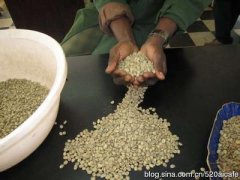
A brief introduction to the history and culture of the origin and development of fine Burundian coffee beans with excellent acidity
Burundi coffee was introduced by Belgian colonists in 1930. Unfortunately, many of these farms are on the border with war-torn Rwanda, putting pressure on coffee production. Coffee production in Burundi: Burundian coffee is now grown only on small farms. Almost all the coffee produced in Burundi is Arabian coffee beans.

Coffee common sense the meaning of various' mocha 'representatives in coffee shops
The word Moka Express is a foreign word transliterated and has four meanings in coffee industry terms: 1. Mocha pot comes from the brand name of an aluminum octagonal steam pressurized coffee maker produced by BIALETTI, a famous Italian coffee maker in the 1930s. Because of its simple structure, convenient cooking and reasonable price, it has become a must in the family.

Introduction to the varieties of Burundian Coffee produced by the method of Grinding scale
Burundian coffee grinding scale treatment acidity (brightness) (1-10): not applicable taste (layering) (1-10): not applicable taste (alcohol thickness) (1-5): not applicable aftertaste (residue) (1-10): not applicable balance (1-5): not applicable basic score (50): not applicable total score (maximum 100): not applicable intensity /

Nescafe influences coffee culture worldwide
Coffee originated in 1930. When brazil's government approached nestle, coffee guru max morgentel and his research team set out to find a way to brew coffee with water without losing its original flavor. After seven years of research in Swiss laboratories, they finally found the answer. Nespresso coffee has become a world-renowned brand. 2
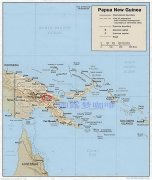
Organic coffee from Papua New Guinea
Organic coffee (Purosa Estate M10 JAS Organic) in Papua New Guinea the seeds of coffee from Papua New Guinea were introduced from Jamaica, Kenya, Tanzania and other countries more than 70 years ago in the 1930s. Formal planned cultivation since the 1950s; the main producing areas are Groca and Madha in the central mountains. This Polosa.

Introduction of Burundian Rocasta Coffee Bean Flavor description method Grinding scale Variety Manor
Burundi Coffee Bean Flavor description method Grinding scale Variety Manor Burundi (Burundian) has the most diverse and successful coffee industry in the world, and has its own characteristics. Coffee in this country was introduced by Belgian colonists in 1930 and is now grown only on small farms. Unfortunately, many of these farms are in war-torn Rwanda (Rwanda)

A brief introduction to the history and culture of the origin and development of Burundi Luo boutique coffee beans with almond aroma.
Burundi coffee was introduced by Belgian colonists in 1930. Unfortunately, many of these farms are on the border with war-torn Rwanda, putting pressure on coffee production. Coffee production in Burundi: Burundian coffee is now grown only on small farms. Almost all the coffee produced in Burundi is Arabian coffee beans.

Four meanings represented by mocha there are four meanings in coffee industry terms
The word Moka Express is a foreign word transliterated and has four meanings in coffee industry terms: 1. Mocha pot comes from the brand name of an aluminum octagonal steam pressurized coffee maker produced by BIALETTI, a famous Italian coffee maker in the 1930s. Because of its simple structure, convenient cooking and reasonable price, it has become a must in the family.

A detailed explanation of the three coffee waves in the history of boutique coffee
The first coffee wave: in the 1930s and 1940s, the US military took coffee as a necessity around the world to prevent combat fatigue, and the bitterness of coffee was known by the public as a pick-me-up. Then the invention and rise of instant coffee. The second Coffee Wave: after World War II, the Italian method of steam pressure extraction of espresso began to be familiar and accepted.

El Salvador Olive Manor how about Kenya SL28 _ El Salvador Olive Manor Coffee beans
Professional coffee knowledge exchange more coffee bean information please follow the coffee workshop (Wechat official account cafe_style) Olive Manor (KENYA SL28) Olive Tree Manor began to grow coffee in 1930, located in El Salvador Coffee Santa Ana volcanic area Olive Tree Manor around El Salvador's very famous LOS VOLCANES (volcanic Group) National Duke

Burundian Coffee with strong aromatic Flavor and Taste. Introduction to the characteristics of boutique coffee beans in the manor area.
Formerly known as Urundi, Burundi formed a feudal kingdom in the 16th century. Since the middle of the 19th century, the forces of Britain, Germany and Belgium invaded. The long-ruled monarchy, which was conquered by Germany in 1890, listed it as the territory of German East Africa and fell under the control of the Belgian army in 1916. After World War I, the League of Nations merged Rwanda-

Nescafe Culture Nescafe Company Latest Introduction
Coffee originated in 1930. When brazil's government approached nestle, coffee guru max morgentel and his research team set out to find a way to brew coffee with water without losing its original flavor. After seven years of research in Swiss laboratories, they finally found the answer. Nespresso coffee has become a world-renowned brand. 2

Recommendation of individual coffee beans | Salvadoran Coffee-Majul Farm
For more information on coffee beans, please follow the recommendation of coffee beans on the front street of the coffee workshop (Wechat official account cafe_style). Go up the Majul Farm of Salvadoran Coffee up the slope of the Santa Ana volcano (Santa Ana or Ilamatepec) and you will find the Majul Farm (Finca El Majahual). In the 1930s, Meza Ayau

Introduction of Burundian coffee bean flavor Lonkasta red bourbon how to drink price Asian distributor
Burundi Coffee Bean introduction Burundi (Burundian) has the most diverse and successful coffee industry in the world, and has its own characteristics. Coffee in this country was introduced by Belgian colonists in 1930 and is now grown only on small farms. Unfortunately, many of these farms are on the border with war-torn Rwanda, putting pressure on coffee production. Cloth

Introduction to the processing Plant of Burundian Coffee Bean planting Environment and Flavor description
Burundi has the most diverse and successful coffee industry in the world, and has its own characteristics. Coffee in this country was introduced by Belgian colonists in 1930 and is now grown only on small farms. Unfortunately, many of these farms are on the border with war-torn Rwanda, putting pressure on coffee production. Coffee produced in Burundi.